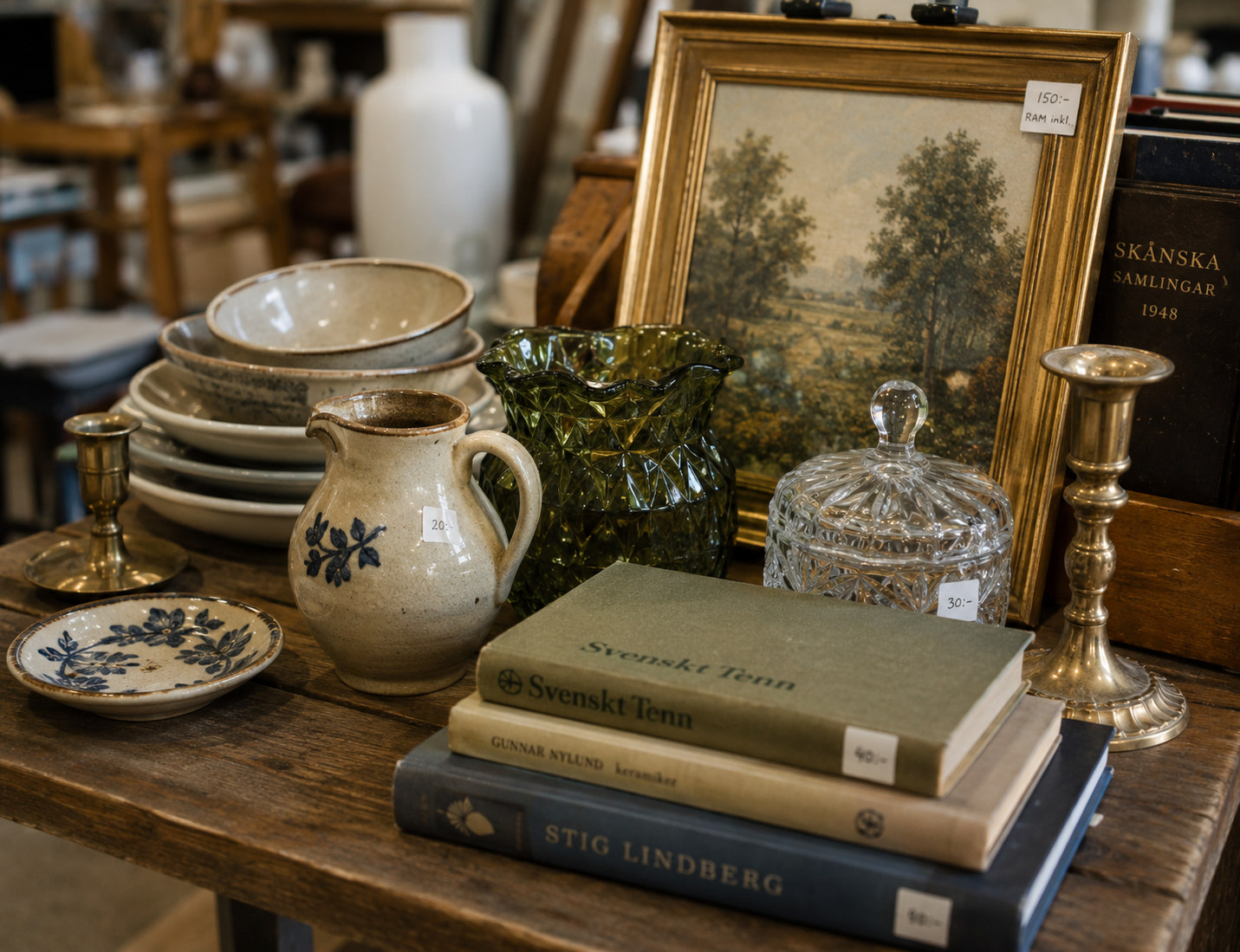
Some items are systematically undervalued at Swedish flea markets. Either because the seller doesn't know what they are, because they're worn but restorable, or because the market moves faster than the average flea-market visitor's knowledge base. Here are five categories that are worth keeping an eye on.
1. Scandinavian ceramics from 1950–1975
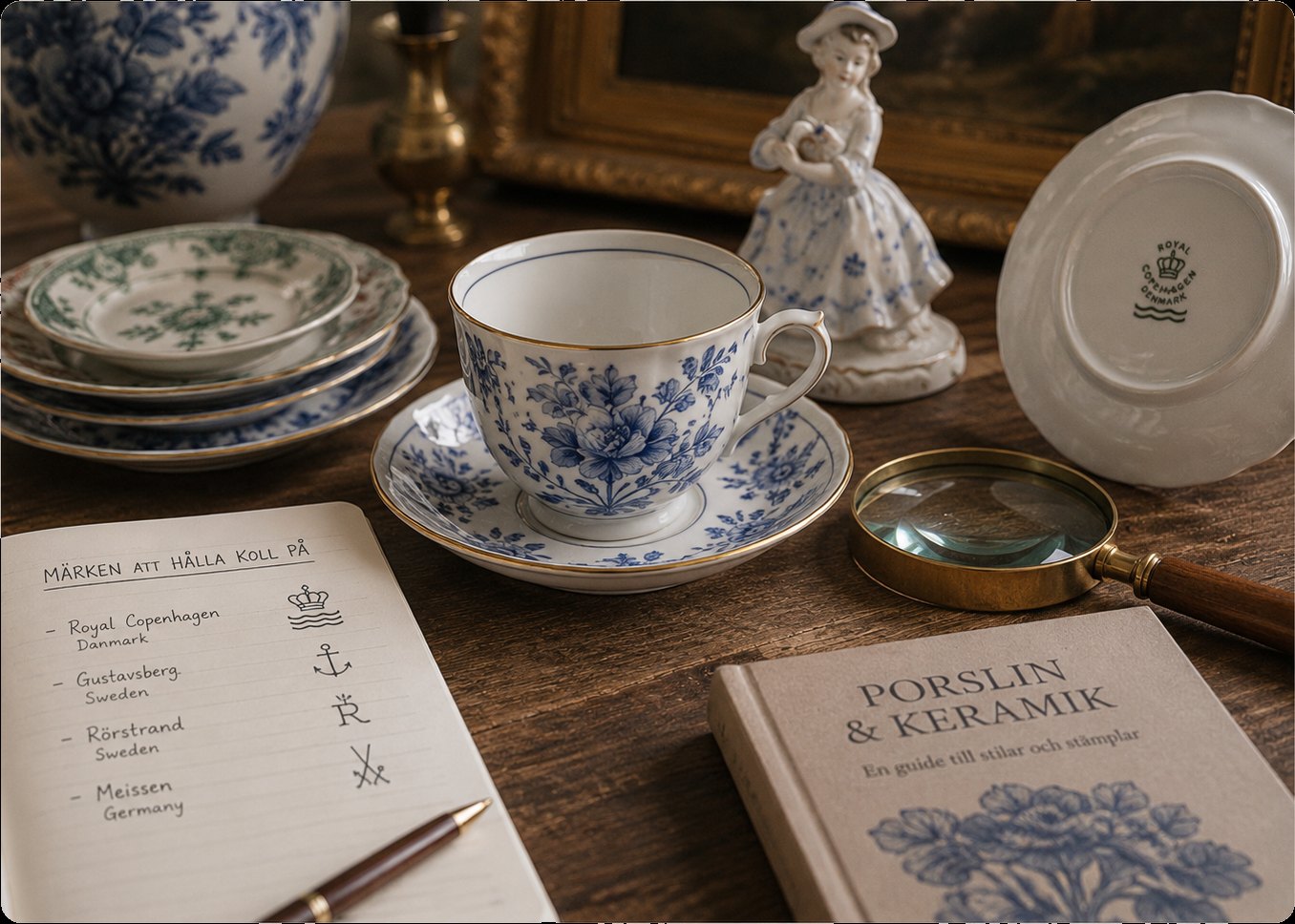
Pieces by Gustavsberg, Rörstrand and Arabia are often sold for a fraction of their market value, particularly if the seller doesn't recognise the designer or the range. Look for marks on the underside — a G in a circle or the anchor (Gustavsberg), the Rörstrand crown, or Arabia Finland in an oval. Specific ranges to watch out for: Spisa Ribb by Stig Lindberg, Kilta by Kaj Franck, Ruska by Ulla Procopé.
An unrecognised dish or plate in one of these ranges might cost 30 kronor at a flea market and be worth 150–500 kronor on resale.
2. Teak and Nordic furniture design without a label
The bulk of 1950s–1970s teak furniture is sold without any manufacturer information, which keeps the price down even though much of it is well made and in a sought-after style. Look for solid construction (no nails, no lumps of glue), clean joinery and symmetrical markings under the seat or drawer. Sideboards, coffee tables and spindle-back chairs from the period are easy to restore and hard to find newly made.
Price range: 300–1,500 kronor for an unattributed piece at a flea market. The same piece with a confirmed designer: 3,000–15,000 kronor.
Loppos tip
Found something promising but not sure? Scan it on the spot with Loppos. You'll get an estimated valuation and similar sold items straight away — before you decide at the table.
3. Swedish silver with hallmarks
Silver bearing the three Swedish guarantee marks (the control mark, the maker's mark and the date mark) is hard to fake and relatively easy to verify. At flea markets, cutlery sets and individual pieces are often sold for less than the metal value alone would justify, particularly if they're tarnished. Silver is easily cleaned with silver polish or with bicarbonate of soda and aluminium foil.
830 silver (the older standard) and 925 silver (sterling silver) have different melt values but both are genuine. Always check the hallmark before you buy.
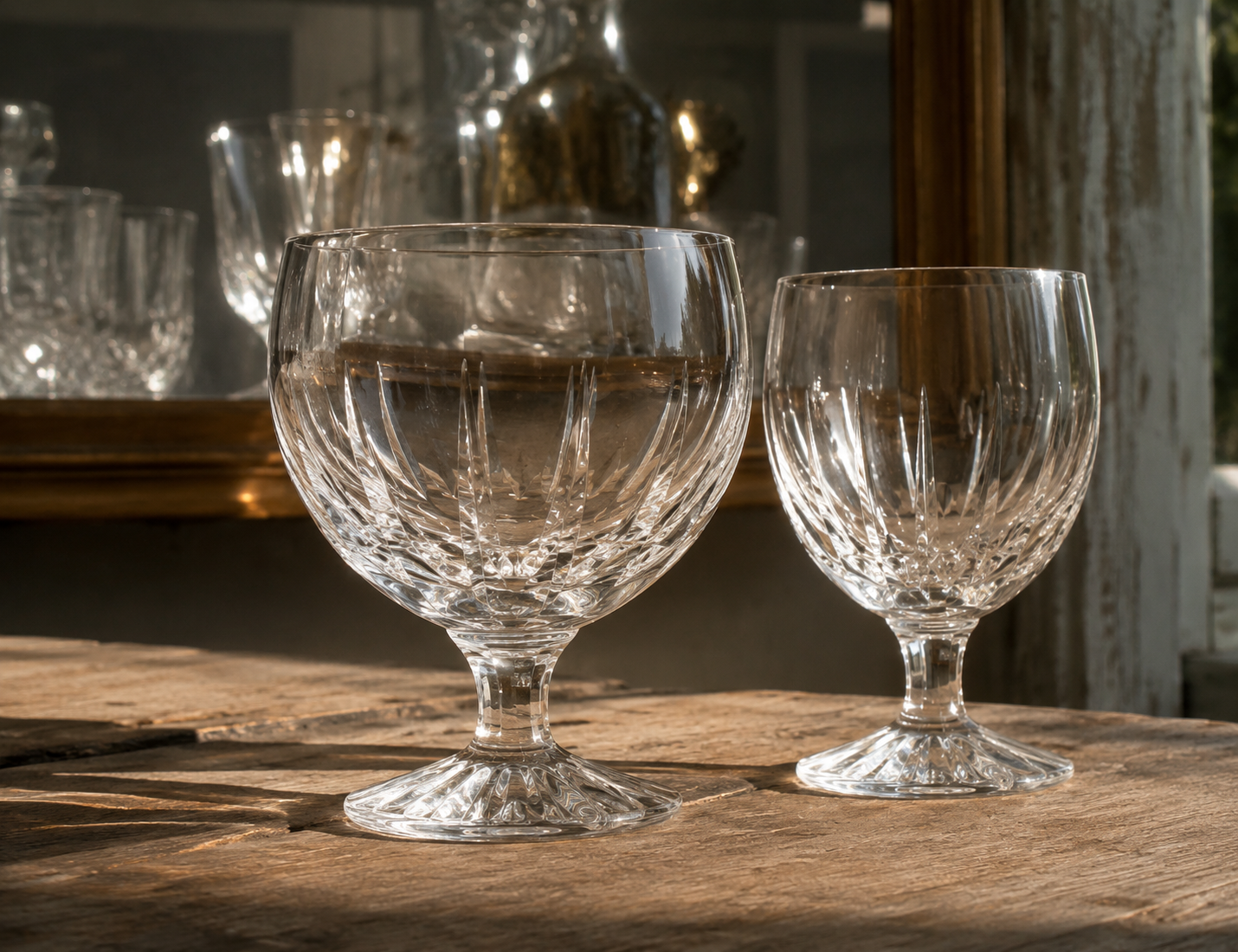
4. Orrefors and Kosta Boda glass with a signature
Art glass from the Swedish glassworks is sold undervalued when the signatures on the underside are frosted or hard to read. A thumb with a little moisture against the underside often makes the signature visible again. Keep an eye out for initials followed by a number — that's the designer's serial number and a strong indication of authenticity.
Small pieces of art glass by a known designer: 200–1,500 kronor depending on the designer and period. Uncoloured decorative vases without a signature: 50–200 kronor.
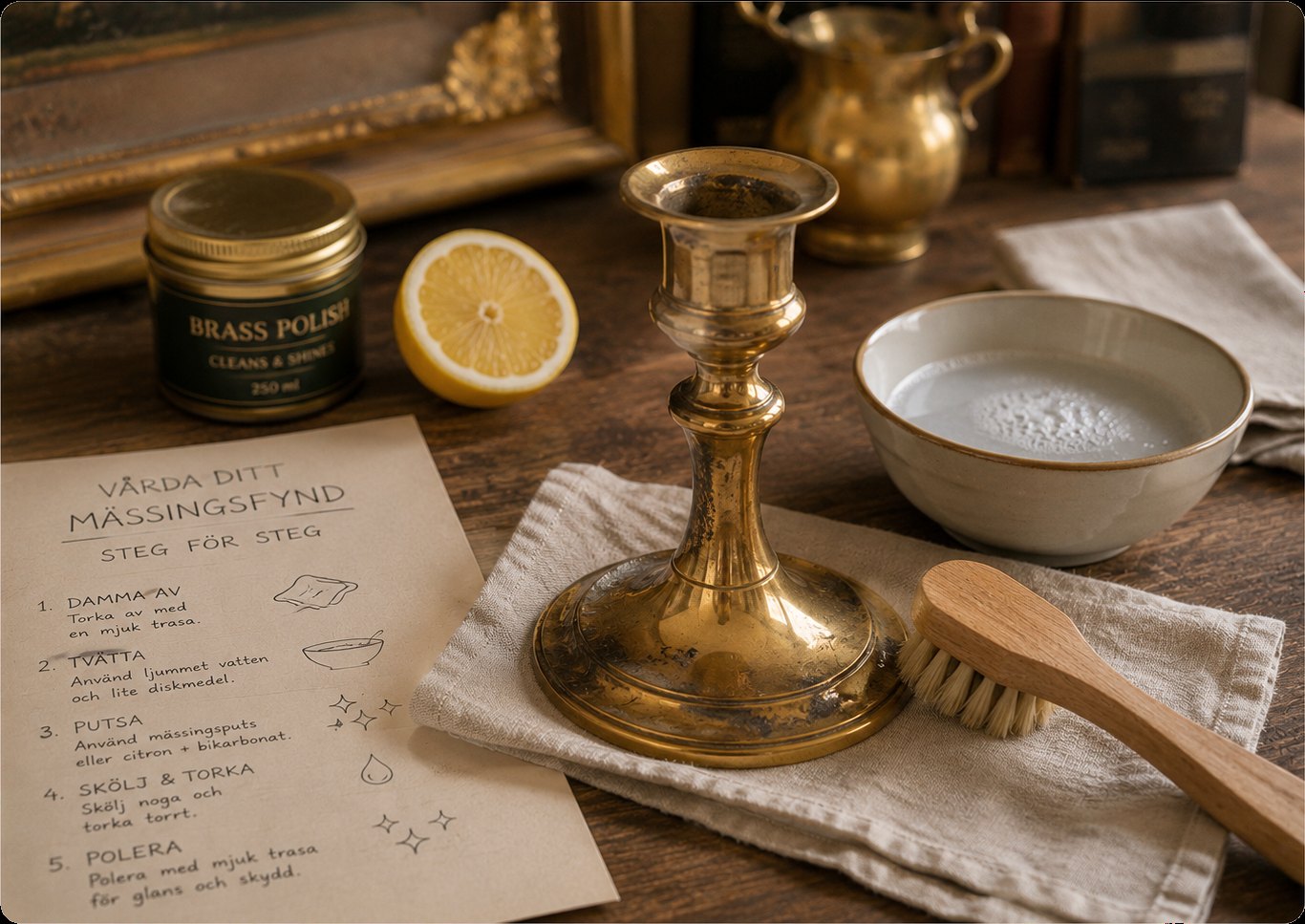
5. Old brass and copper items
Brass and copper were standard materials for household goods, lamps and decoration in Sweden right up until the late 20th century. The items are robust, timeless and easy to polish. Old brass coffee pots, kitchen jugs, candlesticks and bread baskets are often sold for 20–100 kronor at flea markets and are immediately usable in a modern home.
What makes them worth buying: they last forever, they develop a beautiful patina over the years, and genuine brass has a weight and finish that modern versions lack. Check with a magnet — genuine brass is not magnetic.